The biggest local planning decision the district has faced in a generation
Share your views in our survey
A new town - without a new town plan.
24,000 homes. One tiny district. A new town by stealth.
Pause now - and get the plan right
We're calling for a short pause so evidence can be properly gathered before the Local Plan is fixed
The issue
- 24,000 homes clustered in one area
- No cumulative impact assessment
- No infrastructure plan
- Villages at risk of being absorbed
- Alternatives dismissed too early
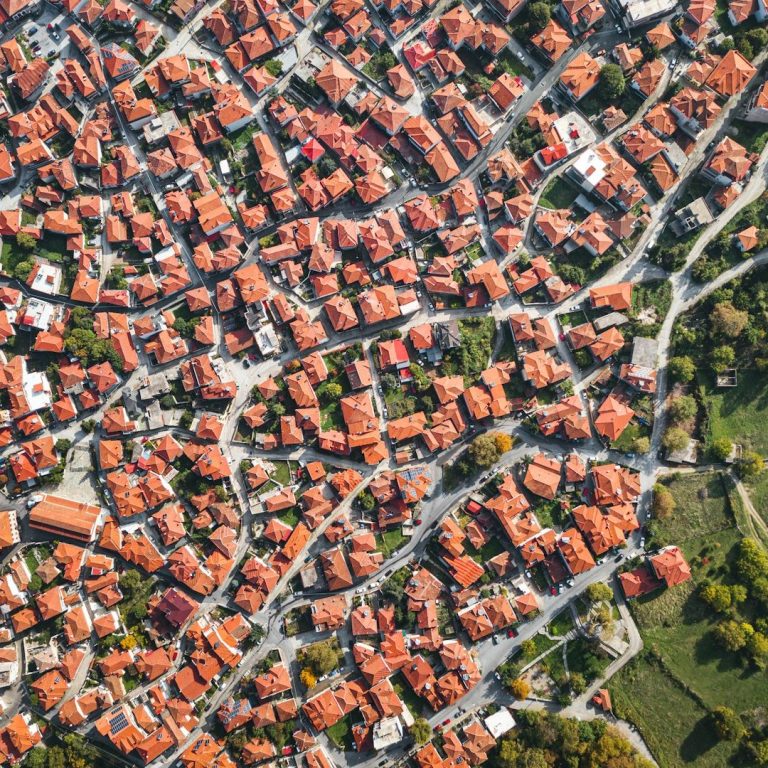
Affected towns and villages
More than half of the district's population will be impacted - here's the long list of affected towns and villages:
Abbots Ripton & Wennington, Alconbury, Alconbury Weston, Barham & Woolley, Bluntisham, Brampton, Brington & Molesworth, Broughton, Buckden, Buckworth, Catworth, Colne, Easton, Ellington, Fenstanton, Godmanchester, Grafham, Hemingford Abbots, Hemingford Grey, Hinchingbrooke, Holywell cum Needingworth, Houghton & Wyton, Huntingdon, Kimbolton & Stoneley, Kings Ripton, Leighton Bromswold, Old Hurst, Perry, Somersham, Spaldwick, St Ives, The Stukeleys, Warboys, Woodhurst, Wyton on the Hill
33 of those were recorded in the Domesday Book
Why we're concerned
The North Huntingdon and St Ives Cumulative Impacts Group is calling for a short pause at Regulation 18 because key evidence is missing - without this evidence, the plan risks failing at Examination, causing years of delay, higher costs, and loss of local control. Missing evidence includes:

Cumulative impact on roads, health, schools, water and sewage
Infrastructure required for a settlement of this scale

Deliverability of the proposals

Alternatives ruled out early, including the carbon neutral new town concept at Sibson
10 questions the District Council MUST answer
Huntingdonshire District Council’s emerging Local Plan proposes a significant 24,000 new homes in a very small area - that's more than three times the size of St Ives, and over twice the size of Huntingdon.
Although presented as separate sites, the impact of these allocations on existing and new residents would be the same as that of a single strategic settlement.
And the evidence needed to show the area can cope has not yet been produced.
The District Council has a responsibility to existing residents to answer these questions:
1. What is the cumulative impact of the combined 24,000 homes on roads, health, schools, water and sewage?
2. Where is the joined up infrastructure plan for a settlement of this scale?
3. Who is responsible for delivering infrastructure?
4. Why are the sites treated as separate allocations when they will have the impact of a single settlement?
5. Why were alternatives - including the carbon neutral new town concept at Sibson - ruled out early?
6. Where is the evidence that the area can cope with this scale of growth?
7. How will the plan avoid the failures seen in other districts where evidence was incomplete?
8. What is the plan for river crossings and constrained road networks?
9. How will agricultural land loss be mitigated or justified?
10. What safeguards are in place to prevent the plan being found unsound at Examination?
Timeline - where we are now, and what happens next
Now:
We're at Regulation 18 - evidence can still be added and tested,
Plans can still be changed
Next:
Regulation 19 - strategy becomes fixed
Making changes here is nearly impossible
After:
Examination - the plan is submitted to the Planning Inspectorate; here is where weak evidence risks the plan being delayed or even withdrawn
if the Planning Inspectorate throws the plan out due to the evidence gap, the DC will have lost money and time - and, potentially, control